
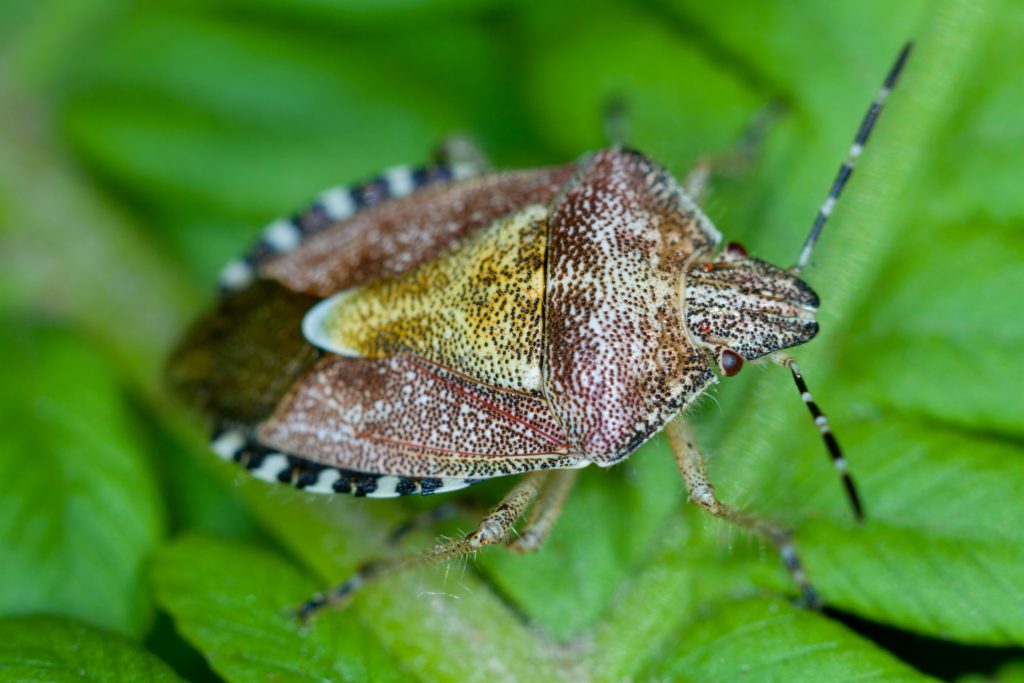
Lawns are a testament to your home. The lush and fertile backdrop to your house. A place for children to play and pets to run on and dig up. A lawn is the pride of every homeowner and something that takes a lot of work and money to do right. That is why it can be so horrific to walk out one summer morning and find patches of yellow and grey dead grass all over your lawn. What caused this? Maybe it was too much fertilizer, or maybe you forgot to turn on the sprinklers. Maybe it’s just a really hot week, heat waves can do serious damage to the healthiest lawns. But what if it’s a windy spring day with cloud cover. The grass was perfectly manicured with the perfect amount of soil and fertilizer but still, the grass is yellow. And not just in one patch but in large patches all over the lawn. Patches that are connected to each other like a pattern. And the grass isn’t just dying, it’s dead. Totally colourless and limp on the ground in a tangle. What could it possibly be? The likely answer? Chinch bugs. Chinch bugs are a grouping of a large number of species of sap-sucking insects. They suck sap like aphids, from the plant’s weakest veins. They then consume the sap to survive. The plant will slowly die from this. A tree attacked by aphids will die in months if not saved but the grass will die from Chinch bugs overnight, and if the infestation is bad, your whole lawn could die in the span of a week. Many people with nice lawns and nice homes have to be members of homeowners associations that control things like lawns, grass types and what you can have on your lawn. This means that if you have a Chinch bug infestation the homeowners association can simply claim you are not taking care of your grass and fine you monthly as punishment. This makes trying to resolve the issue even harder.
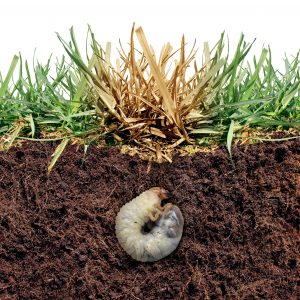 The Chinch bug can often be mistaken for drought damage as they prefer open sunny areas of grass and often come out when it is very hot. This can confuse homeowners who may then over water their lawns giving the bugs more sap to feed on. You can try to keep the grass green but nothing will help. So what is there to do? The first step is to find them which is easier than it sounds. If you find that when you walk on your lawn you smell a foul odour then it is likely you have a large and severe infestation because Chinch bugs, when crushed, release a bad smell that is intended to ward off predators from trying to eat them. This will help you identify that it is the bugs but you will also have to get down onto the grass and spread the fresh grass to find the bugs, like looking through hair for lice. Don’t check the dead grass because they are no longer there. If you are having trouble finding them you can use this trick. Take a coffee can and cut off the bottom. Shove it down firmly into the soil so it stays where it is. Then fill it up with water from a hose or a jug and wait for about ten minutes as the insects float to the top. This is the best way to gauge how many you have in a single one foot by one-foot area and will let you make a rough estimate of the severity of the infestation. If you see a lot of them then there will be a lot of work ahead of you. While there are exterminators that specialize in this work they are not going to do it on a private lawn. They are too busy doing it in sports fields and sod farms. So this is something you will have to deal with on your own.
There are a lot of options to get rid of them if you are open to re-sodding your lawn. You can choose a type of grass that has something called Endophytics which are types of grass that grow insecticidal fungus. This is a natural event and not something created in a lab. Sadly for those people living in closed communities, the regulations on what types of grass you can grow are usually very strict. Things you can do while keeping your lawn can include aerating the soil in the spring and removing organic debris from the top layer of the soil, the debris is called thatch and is a large reason why the insects are present. You do this by cleaning your lawn vigorously in the fall. Even a small area of leaves will create thatch in the spring that could attract Chinch bugs. The danger here is thatch is one of the things that makes a healthy lawn so you will have to make up for that in your lawn treatments. Do not over-fertilize and use slow-release nitrogen. Water the lawn thoroughly and don’t cut your grass too short. Do this and you will be rid of the Chinch bugs and you will get to keep your lawn.
